
8 brocades qigong pdf
Overview of Eight Pieces of Brocade Qigong
The Eight Pieces of Brocade, or Ba Duan Jin, is a 12‑century Qigong set of eight simple movements that enhance vitality, balance Qi, and strengthen the body. Practitioners follow rhythmic breathing and gentle postures to promote health and longevity. The practice suits all ages and can be done daily for health!!
A concise description of the eight simple exercises designed for health and vitality
TheEightPiecesofBrocade(BaDuanJin)consistsofeightflowingmovementsthatcanbepresentedinafewminuteseachday.Thesequence beginswith “Raise the palms to join the Qi together,” where the practitioner lifts both hands in a gentle arc while inhaling, then slowly lowers them to the chest while exhaling.Next,“Pull the arms back” involves drawing the arms backward in a wide sweep, stimulating the shoulder and upper back.“Press the chest” follows, with a slight forward lean and a deep breath that pushes the hands toward the sternum.Thefourth movement, “Open the chest,” expands the rib cage as the arms rise, encouraging lung capacity;“Raise thehead” is a gentle nod upward, aligning the spine and opening the throat.“Shake theshoulders” involves a rhythmic shoulder roll to release tension.“Open the hips” is a gentle hip rotation, promoting flexibility.Finally, “Press the abdomen” completes the set, with a focused breath that compresses the lower abdomen, balancing internal organs.Each movement is paired with a controlled inhale or exhale, creating a harmonious flow of Qi that strengthens the body, balances vital functions, and removes stagnant energy, making it ideal for daily health and vitality.Practitioners often integrate the Eight Pieces of Brocade into their daily routine, performing the sequence in the morning to awaken the body or in the evening to relax the mind, thereby enhancing circulation, reducing stress, and fostering a sense of inner balance that supports overall well-being.It needs no special equipmentdaily easily into home or office routines dailydaily!!Daily practice health
Historical Origins and Founder

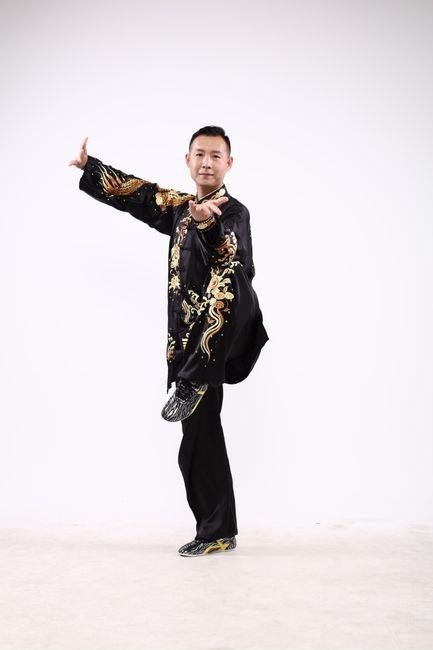
Attributed to 12th‑century Chinese military hero Marshal Yue Fei, the Eight Pieces of Brocade were crafted as a martial‑health routine. Yue Fei’s disciplined spirit infused the form with vigor, blending Qi cultivation with battlefield resilience for lasting vitality. daily!!?.
Attributed to Marshal Yue Fei, a 12‑century military figure credited with creating the form
Marshal Yue Fei, a celebrated 12th‑century Chinese general, is traditionally credited with devising the Eight Pieces of Brocade (Ba Duan Jin). According to historical lore, Yue Fei developed these eight simple yet profound Qigong movements while stationed in the northern frontier, where the harsh climate and constant military campaigns demanded a regimen that could fortify both body and spirit. The exercises, characterized by gentle, flowing motions and synchronized breathing, were designed to harmonize the flow of Qi, strengthen the organs, and enhance resilience—qualities essential for a warrior. Over centuries, the practice spread beyond the battlefield, entering monasteries and households as a means of cultivating health, balance, and longevity. Scholars note that the form’s simplicity allows practitioners of all ages to engage in daily practice, while its roots in martial discipline underscore its capacity to build internal strength and mental focus. The attribution to Yue Fei, though not conclusively documented in contemporary sources, remains a powerful narrative that links the art of Qigong to the virtues of courage, perseverance, and disciplined living. Modern practitioners continue to honor this legacy, integrating the Eight Pieces of Brocade into holistic wellness routines worldwide.
While the historical record does not explicitly name Yue Fei as the creator, the ethos of the Eight Pieces reflects his reputed emphasis on training and resilience. Scholars suggest the form’s breathing and movement echo battlefield drills of the Song dynasty, honoring Yue Fei’s old legacy.
Publication History of the Classic Text
The classic text first appeared as “The Eight Pieces of Brocade”. The 2nd edition (ISBN 9781886969520) was released in 2008, followed by earlier editions (ISBN 1‑886969‑52‑3). Digital copies are available on the Internet Archive libraries. Cited in Qigong texts and today.!
Second edition ISBN 9781886969520 and earlier editions under title The Eight Pieces of Brocade
The 2nd edition of the classic Ba Duan Jin text, published in 2008, carries ISBN 9781886969520 and is widely regarded as the definitive edition for contemporary practitioners. It features a modernized layout, high‑resolution images of each movement, and a comprehensive commentary that links the ancient practice to contemporary health science. The edition also includes an index of key terms, a glossary of Qigong terminology, and a detailed bibliography for further study. Earlier editions, originally released in the late 1990s, were titled simply “The Eight Pieces of Brocade” and carried ISBN 1‑886969‑52‑3. These earlier volumes provided the foundational text but lacked the visual aids and expanded commentary found in the 2008 release. Scholars and practitioners often compare the two editions to trace the evolution of the text’s interpretation. The 2008 edition has been translated into several languages, including Chinese, English, and Spanish, making it accessible to a global audience. Digital copies of both editions are available through the Internet Archive and other open‑access repositories, identified by unique URNs such as urn:lcp:eightsimpleqigon0000yang. The availability of multiple editions allows readers to choose the format that best suits their learning style, whether they prefer the concise original or the enriched modern version. The 2nd edition’s inclusion of a detailed index and updated references has made it a standard reference in Qigong studies and a valuable resource for instructors preparing curriculum materials. Its publication has also spurred renewed interest in the historical roots of Ba Duan Jin, prompting new research into the martial and medical traditions that shaped the practice over the centuries. The continued circulation of both the original and revised editions underscores the enduring relevance of the Eight Pieces of Brocade as a living tradition that adapts to contemporary needs while preserving its core principles. Readers can also access the PDF version directly from the Internet Archive, where the file size is approximately 2.5 MB, ensuring quick download and offline practice. Its legacy continues to inspire wellness worldwide.

Shaolin Version and Wuji Stance
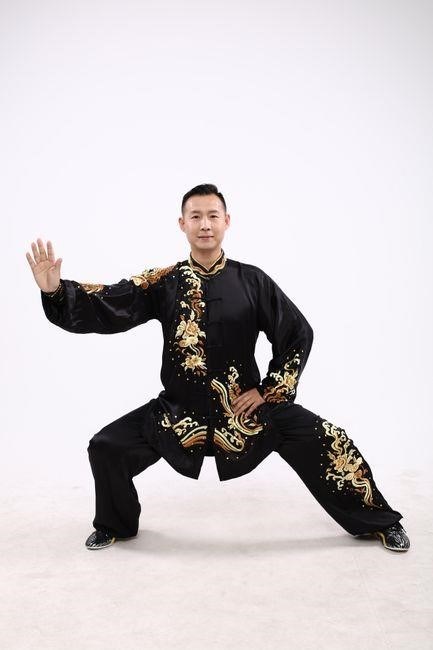
The Shaolin version of Ba Duan Jin emphasizes a relaxed Wuji stance, feet shoulder‑width apart, knees slightly bent, weight evenly distributed. Hands move in slow, deliberate circles, synchronized with deep inhalations and exhalations, fostering internal harmony and Qi flow. It grounds the mind and steadies flow.
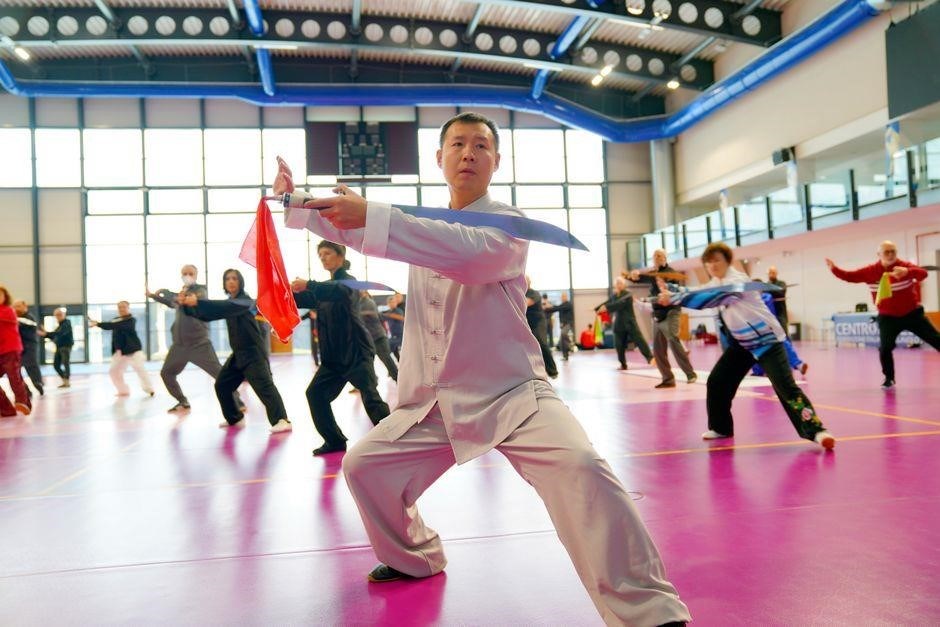
Stand in Wuji posture for the Shaolin version, with detailed hand movements and breathing cues
Stand in Wuji posture: feet shoulder‑width apart, toes slightly turned out, knees lightly bent, spine straight, shoulders relaxed, chin level. Center your weight evenly on both feet, feeling a gentle grounding that connects you to the earth. Inhale slowly through the nose, raising the palms together above the head, as if gathering Qi from the sky. Hold for a moment, then exhale through the mouth, lowering the hands to the chest, palms facing inward, while gently drawing the shoulders back. Repeat this cycle, maintaining a steady rhythm, allowing the breath to guide the motion.
The hand movements are smooth, circular and coordinated with the breath, creating a continuous flow of Qi throughout the body. As you raise the palms, imagine the energy rising and expanding, then as you lower them, feel the energy descending and settling. The wrists rotate gently, and the fingers spread wide, inviting external Qi to enter and internal Qi to circulate. This stance and motion pattern help balance the yin‑yang energies, strengthen the meridians, and promote overall vitality, while also improving posture, flexibility, and mental focus.
When practiced consistently, the Wuji stance and hand motions cultivate a deep sense of center, reduce stress, and enhance circulation. The slow, deliberate breathing synchronizes heart rhythm, lowers blood pressure, and supports immune function. By aligning posture with Qi flow, practitioners experience improved balance, flexibility, and a calmer mind, making this routine ideal for daily wellness.
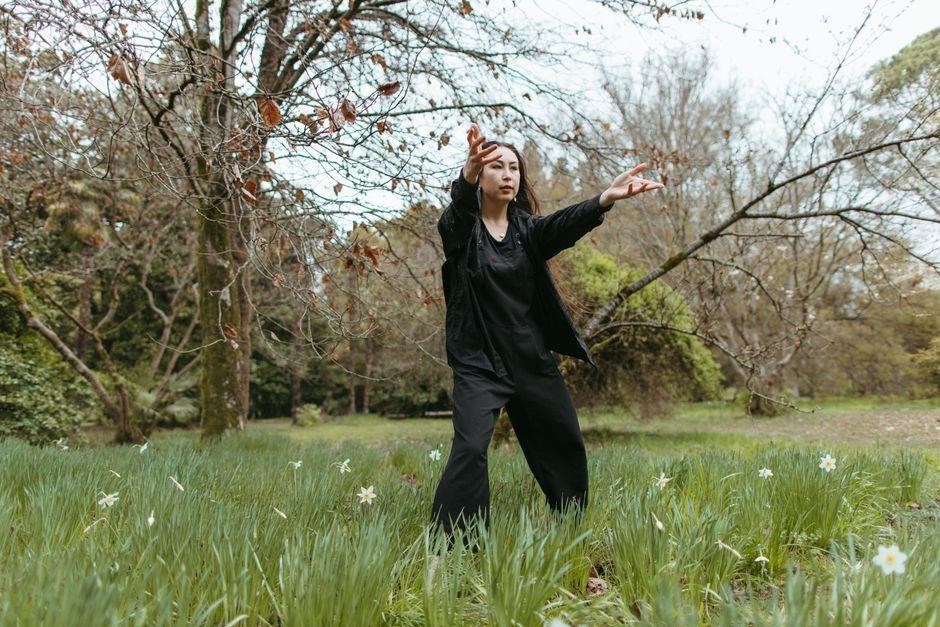
Thus, the Shaolin Wuji stance becomes foundational practice for holistic health.
Yang Jwing‑Ming’s 1946 Edition
Published in 1946, Yang Jwing‑Ming’s edition of Ba Duan Jin offers a concise index and the RA781.8.Y363 reference, making it a valuable resource for scholars and practitioners seeking a reliable, historically grounded text. It remains a cornerstone for modern qigong study.!!!
Published by Yang Jwing‑Ming, includes an index and series RA781.8.Y363 reference
Yang Jwing‑Ming’s 1946 edition of the Eight Pieces of Brocade is a landmark publication that has been widely cited in qigong scholarship. The book is notable for its clear, step‑by‑step instructions, each exercise accompanied by precise hand‑position diagrams and breathing cues that aid beginners and seasoned practitioners alike. The text includes a comprehensive index that lists each movement by name, by number, and by the key Qi concepts it targets, allowing readers to locate specific sections quickly. Additionally, the edition is catalogued under the Library of Congress classification RA781.8.Y363, a reference that places it firmly within the broader corpus of Chinese martial arts and internal‑energy literature. This classification is especially useful for researchers accessing the work through university libraries or digital archives, as it ensures consistent identification across multiple cataloguing systems. The 1946 edition also contains a series of footnotes that reference earlier manuscripts and commentaries, providing historical context and validating the authenticity of the movements. The inclusion of these notes demonstrates Yang Jwing‑Ming’s commitment to preserving the integrity of the original practice while making it accessible to a modern audience. The book’s layout is designed for ease of use, with large, legible type and ample white space that allows practitioners to focus on posture without distraction. The index is alphabetically sorted and cross‑referenced, making it a practical tool for both study and daily practice. For those interested in digital access, the text is available through the Internet Archive under the identifier urn:lcp:eightsimpleqigon0000yang, where users can download PDF or EPUB versions for offline use. The combination of a detailed index, a clear classification reference, and a user‑friendly layout makes Yang Jwing‑Ming’s 1946 edition a definitive resource for anyone studying or practicing the Eight Pieces of Brocade. The edition also includes a detailed commentary that explains the energetic pathways involved in each movement, offering practitioners deeper insight into the flow of Qi. It remains a treasured resource!!!!!

Health Benefits and Physiological Effects
The Eight Pieces of Brocade promotes circulation, balances autonomic function, and enhances respiratory efficiency. Regular practice strengthens the diaphragm, improves lymphatic flow, and supports adrenal regulation. It also reduces stress hormones, boosts immune response, and fosters mental clarity!! and vitality.!.
Strengthening the body, balancing vital functions, and removing stagnant Qi
Each of the eight movements in the Ba Duan Jin sequence is designed to mobilize key meridians, stimulate organ function, and promote the free flow of Qi throughout the body. By gently extending, flexing, and rotating the limbs while synchronizing breath, practitioners reinforce muscular tone and joint stability, thereby strengthening the skeletal‑muscular framework. The slow, deliberate motions also activate the autonomic nervous system, encouraging a harmonious balance between sympathetic and parasympathetic activity. This equilibrium supports cardiovascular health, regulates blood pressure, and fosters efficient oxygen delivery to tissues. In addition, the rhythmic inhalation and exhalation patterns stimulate the diaphragm and intercostal muscles, enhancing pulmonary capacity and improving respiratory mechanics. The combined effect of these actions is a measurable increase in overall vitality and a reduction in fatigue.
Beyond physical conditioning, the practice of Ba Duan Jin serves as a powerful tool for clearing stagnant Qi. The repetitive, flowing movements create a dynamic environment in which energy can circulate freely along the twelve primary meridians and the eight extraordinary channels. As Qi is coaxed out of blockages, the body experiences a sense of lightness and clarity. This process also encourages the elimination of metabolic waste and the restoration of homeostasis. By removing stagnation, the body’s internal environment becomes more conducive to healing, and the practitioner may notice improvements in digestion, sleep quality, and emotional resilience. Overall, the Eight Pieces of Brocade offers a holistic approach that simultaneously strengthens the body, balances vital functions, and purges stagnant Qi, leading to sustained health and well‑being.
Regular adherence to this routine can also enhance the body’s innate regenerative capacity, supporting tissue repair and immune modulation. Practitioners often report heightened mental focus, reduced anxiety, and a deeper sense of inner peace, reflecting the profound connection between body and mind cultivated through these simple yet profound movements.

PDF Access and Digital Resources
Free PDF downloads of the Eight Pieces of Brocade are available on Internet Archive (urn:lcp:eightsimpleqigon0000yang) and other digital libraries. Users can access the 2nd edition (ISBN 9781886969520) or earlier versions for study and practice.
These resourcesaidbeginnersin deepening practiceforall level.
Available for free download from Internet Archive and other digital libraries with identifiers such as urn:lcp:eightsimpleqigon0000yang
For those seeking the Eight Pieces of Brocade, the Internet Archive offers a free PDF copy under the identifier urn:lcp:eightsimpleqigon0000yang. This digital edition includes the full text, illustrations, and step‑by‑step instructions, all in both Chinese and English. Users can download the PDF, EPUB, or plain text versions for compatibility across devices. The Library of Congress catalog also lists the work with the same urn, making it accessible through the LCP system. Many university libraries have digitized copies in their open‑access collections, linked via WorldCat or the OCLC network. By searching ISBN 9781886969520 or the title “The Eight Pieces of Brocade,” one can locate these resources quickly. When downloading, verify the file’s integrity by checking the MD5 checksum provided on the archive page. The PDF contains high‑resolution images of each movement, detailed hand‑position diagrams, and breathing cues. The open‑access nature of these digital copies supports educational use, research projects, and personal practice. For tactile experience, the digital copy can be printed in full color, preserving instructional diagrams. Some libraries offer interlibrary loan for a hard‑bound edition if preferred. The availability of multiple formats ensures learners with varying technical proficiency can access the material. Whether a beginner or researcher, the free PDF from the Internet Archive and its counterparts in other digital repositories provide a reliable, comprehensive source for the Eight Pieces of Brocade. Thus, anyone can access these resources easily and practice the exercises home.